
Author: Ryan Goodman
-

Why LGBTQ+ Visibility Matters in Rural Spaces
Pride Month remains crucial in 2025, emphasizing visibility and safety for LGBTQ+ people, especially in rural communities. Many still struggle with being open due to fear of judgment or exclusion. Celebrating pride fosters inclusion, encourages storytelling, and highlights the importance of belonging, reminding all that diversity enriches our communities.
-

A Simple Shirt Can Say A Lot – New Pride In Ag Merch
Have you ever thought about how something as simple as a t-shirt can carry more weight than we realize? Especially in agriculture and small towns. Pride In Agriculture has a new collection of t-shirts, hoodies, and accessories to help Pride and allyship be more visible in your community. Read more about why visibility matters.
-

Responding to Push-Back on DEI in Agriculture
In agriculture, diversity, equity, and inclusion (DEI) discussions often face resistance. Many individuals feel defensive or dismissive. However, effective communication involves respecting differing views, pausing to reflect, grounding conversations in shared values, and posing thoughtful questions. Advocating for inclusion requires patience and a commitment to gradually fostering understanding and growth.
-
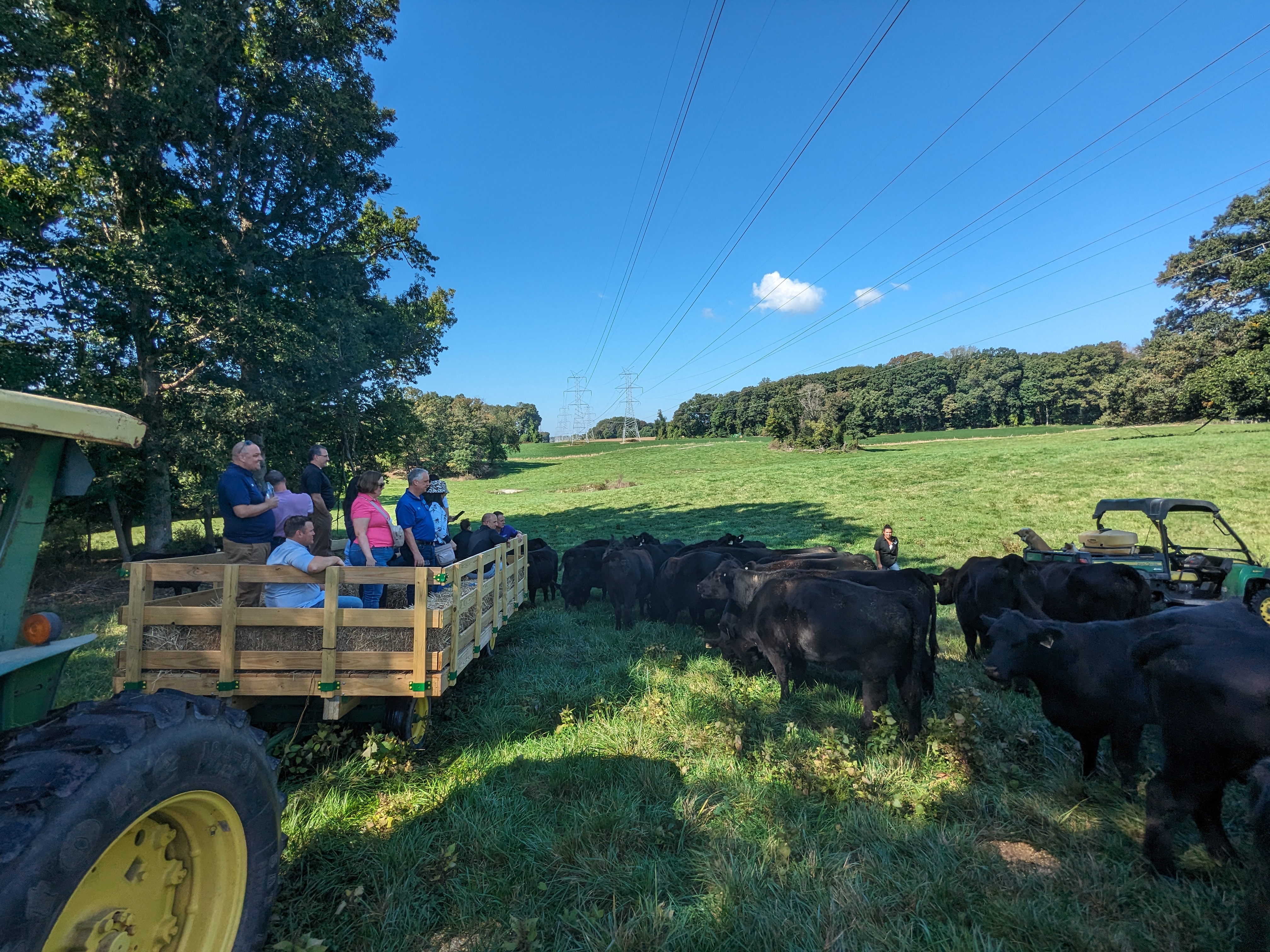
Diversity and Belonging Make Agriculture Stronger
What is so wrong with making space for others at the table in our communities and industry? I’ve been thinking a lot lately about how conversations around diversity, equity, and inclusion have become so divisive. In rural communities like the ones I’ve called home, those three letters, DEI, can stir up frustration, confusion, or outright…
-

How Allies Support LGBTQ+ People in Rural Communities
In agriculture and rural communities, fostering belonging for LGBTQ+ people is crucial, yet challenging. Allies can support by advocating for inclusive policies, normalizing difficult conversations, and providing visibility. Strong allyship involves understanding personal stories, engaging in brave discussions, and maintaining commitment beyond Pride Month to create equitable spaces for all.
-

LGBTQ+ Inclusion in Agriculture Education | Chaney Mosely
Chaney Mosley, a leader in agricultural education, promotes diversity and inclusivity through his work. As a gay man, he advocates for LGBTQ+ visibility and acceptance in the traditionally conservative agricultural industry. His efforts have led to fostering a more inclusive and representative environment throughout agricultural education systems.
-

Coming Out and Embracing Allyship In Agriculture | Kameron Rhinehart
Kameron Rinehart, a Ph.D. Candidate at Texas Tech University, shares his journey as an LGBTQ+ person and embracing allyship in agriculture. Growing up in rural Ohio, he understands the challenges of coming out and emphasizes the importance of building an inclusive community. His research focuses on expanding allyship in agricultural colleges and promoting diversity and…
-
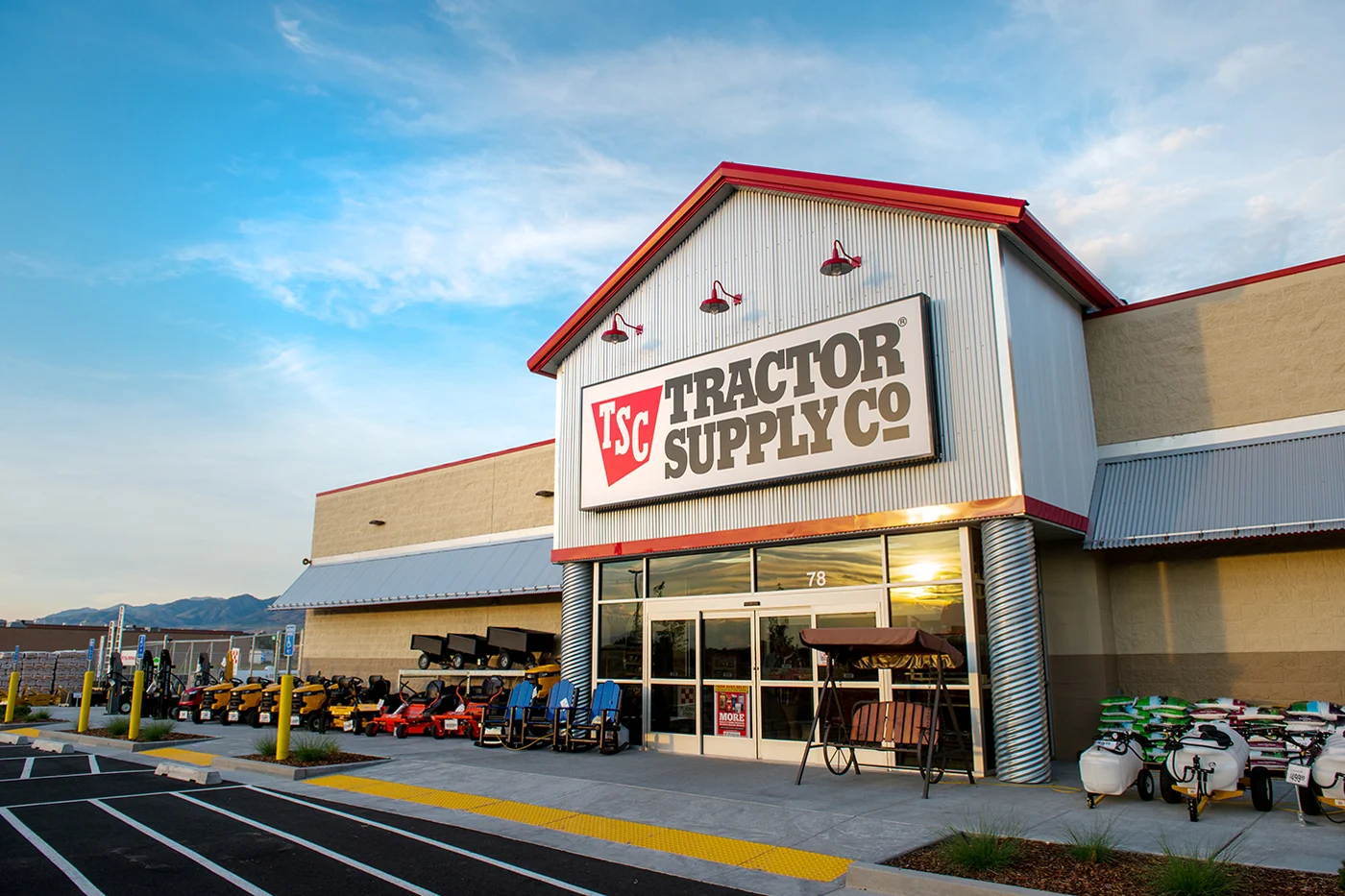
Challenging Tractor Supply’s Withdrawal of DEI Initiatives
As Pride Month concludes, Tractor Supply Company’s decision to withdraw support for DEI initiatives and employees is disappointing. This emphasizes the need for greater visibility and support for LGBTQ+ people and marginalized groups in agriculture and rural communities. To continue working toward inclusion, community engagement, advocacy, support networks, inclusive policies, and allyship are essential.
-

LGBTQ+ Farmer Mental Health Study: Key Findings and Resources
LGBTQ+ people in farming face higher rates of depression, anxiety, and suicide risk compared to the general population. The study by University of Illinois Urbana-Champaign highlighted the mental health challenges and lack of resources for LGBTQ+ farmers. The researchers emphasize the need for inclusive support and recognition of LGBTQ+ contributions in agriculture. For LGBTQ+ farmers…
-

How Language Fosters Inclusivity for LGBTQ Agriculture Community
Tyler Price, Ph.D. discusses the impact of language on inclusivity for LGBTQ+ individuals in agriculture. While words can inspire, they can also marginalize. The industry’s unwelcoming perception must be addressed, with strategies like inclusive language use and support for underrepresented voices. Tyler, an advocate for inclusive education, aims to create a welcoming agriculture community.